

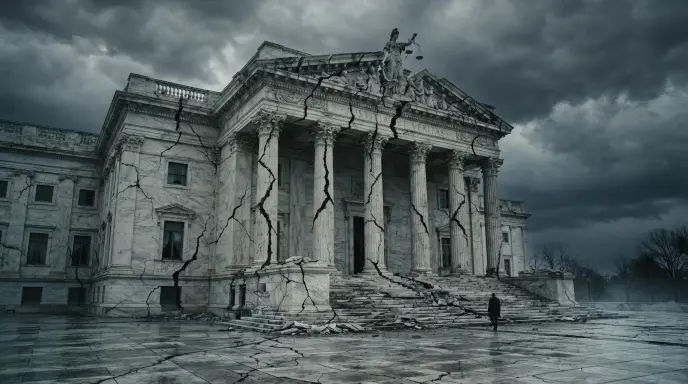
The word strife describes serious or prolonged conflict, disagreement, or struggle, especially when tension exists between people, groups, or communities. It often suggests more than a simple argument: strife can involve ongoing hostility, hardship, or social unrest.
People look for alternatives to strife because the word has a somewhat formal or literary tone. Depending on the situation, words such as conflict, discord, tension, hostility, friction, disagreement, turmoil, or struggle may communicate the idea more naturally. However, these words are not always interchangeable. The right choice depends on whether you mean an argument, social unrest, personal tension, or a difficult struggle.
Quick Answer
Some of the closest synonyms for strife are conflict, discord, contention, hostility, friction, disagreement, turmoil, struggle, dispute, and quarrel. The best alternative depends on context. Conflict is broadly useful, while discord emphasizes a lack of harmony and turmoil suggests disorder or unrest.
Quick List: Synonyms for Strife
Closest Alternatives
- Conflict
- Discord
- Contention
- Dispute
- Hostility
- Friction
- Disagreement
- Quarrel
- Feud
- Turmoil
- Struggle
- Tension
- Antagonism
- Confrontation
- Unrest
Formal Alternatives
- Conflict
- Discord
- Contention
- Antagonism
- Hostility
- Dispute
- Confrontation
- Dissension
- Turmoil
- Civil unrest
Neutral Alternatives
- Disagreement
- Conflict
- Tension
- Friction
- Dispute
- Struggle
- Quarrel
Contextual Alternatives
- Hardship
- Unrest
- Rivalry
- Feud
- Opposition
- Turbulence
- Adversity
Not every word above is a direct synonym. For example, hardship focuses on difficulty rather than interpersonal conflict, while rivalry describes competition that may exist without hostility.
Formal Alternatives to Strife
Conflict
Meaning: A serious disagreement or clash between people, groups, interests, or ideas.
Explanation: Conflict is one of the broadest and most useful alternatives to strife. It can describe personal, political, workplace, military, or social situations.
Example: The organization worked to resolve the conflict between the two departments.
Best Use: Reports, academic writing, business communication, news writing, and general formal prose.
Worst Use: Avoid it when you specifically mean physical hardship rather than disagreement.
Tone: Neutral to formal.
Discord
Meaning: A lack of agreement, harmony, or unity.
Explanation: Discord emphasizes disharmony rather than direct confrontation. It works especially well when describing relationships, organizations, families, or communities.
Example: Internal discord weakened the team’s ability to reach an agreement.
Best Use: Formal writing, essays, reports, and discussions of relationships or groups.
Worst Use: It can sound unnatural when you simply mean a short argument.
Tone: Formal and somewhat literary.
Contention
Meaning: Disagreement, conflict, or a matter that causes argument.
Explanation: Contention is often used in formal discussions. It can refer to active disagreement or a disputed issue.
Example: The proposed change became a source of contention among residents.
Best Use: Academic, legal, political, and professional writing.
Worst Use: It may sound overly formal in everyday conversation.
Tone: Formal.
Antagonism
Meaning: Strong opposition or active hostility.
Explanation: Antagonism is stronger than a simple disagreement. It suggests opposing attitudes or hostility between people or groups.
Example: Years of antagonism made cooperation difficult.
Best Use: Formal discussions of relationships, groups, and competing interests.
Worst Use: Do not use it for a harmless difference of opinion.
Tone: Formal and strong.
Hostility
Meaning: Unfriendly, aggressive, or antagonistic behavior.
Explanation: Hostility focuses on negative feelings or behavior rather than conflict in general.
Example: The meeting ended after tensions developed into open hostility.
Best Use: Formal reports, workplace writing, social analysis, and serious descriptions.
Worst Use: It is too strong if the situation involves only mild disagreement.
Tone: Serious and formal.
Dissension
Meaning: Disagreement within a group or organization.
Explanation: Dissension is especially useful when members of the same group disagree with one another.
Example: Dissension among the committee members delayed the decision.
Best Use: Academic, political, organizational, and historical writing.
Worst Use: Avoid it for a conflict between unrelated individuals when group disagreement is not involved.
Tone: Formal.
Confrontation
Meaning: A direct encounter involving disagreement or opposition.
Explanation: Confrontation emphasizes the act of facing an opposing person or position.
Example: The two managers avoided a direct confrontation.
Best Use: Workplace, social, political, and formal writing.
Worst Use: It does not always imply prolonged conflict, so it may not fully capture the meaning of strife.
Tone: Neutral to formal.
Dispute
Meaning: A disagreement or argument about a particular issue.
Explanation: Dispute is usually more specific than strife. It often involves a defined question, claim, responsibility, or disagreement.
Example: The two companies became involved in a contract dispute.
Best Use: Business, legal, academic, and professional communication.
Worst Use: It may be too narrow when describing widespread social unrest.
Tone: Neutral to formal.
Turmoil
Meaning: A state of confusion, disorder, or great disturbance.
Explanation: Turmoil overlaps with strife when conflict creates widespread disorder. However, it emphasizes the resulting chaos rather than the disagreement itself.
Example: The country experienced political turmoil after the announcement.
Best Use: News, history, social analysis, and formal writing.
Worst Use: Avoid it for a minor disagreement between two people.
Tone: Strong and formal.
Civil Unrest
Meaning: Public disorder or collective disturbance involving a community or population.
Explanation: Civil unrest is much narrower than strife. It refers to large-scale public disturbance rather than ordinary personal conflict.
Example: The government introduced new measures during a period of civil unrest.
Best Use: News, history, politics, and social analysis.
Worst Use: It should not describe a disagreement between coworkers or friends.
Tone: Formal and serious.
Semi-Formal and Neutral Alternatives

Disagreement
Meaning: A difference of opinion or position.
Explanation: This is a softer alternative to strife. It does not automatically suggest hostility.
Example: The students had a disagreement about the best solution.
Best Use: Everyday, school, workplace, and professional communication.
Worst Use: It is too mild for prolonged violent or hostile conflict.
Tone: Neutral.
Tension
Meaning: A strained or uneasy relationship or situation.
Explanation: Tension describes the atmosphere surrounding conflict rather than necessarily the conflict itself.
Example: Tension between the two teams increased after the incident.
Best Use: Workplace, relationships, news, and general writing.
Worst Use: It is not a direct replacement when an actual dispute must be identified.
Tone: Neutral.
Friction
Meaning: Difficulty or disagreement between people or groups.
Explanation: Friction suggests recurring irritation or disagreement, often without serious hostility.
Example: There has been some friction between the two departments.
Best Use: Business, workplace, and everyday writing.
Worst Use: It is too mild for severe social conflict.
Tone: Neutral.
Struggle
Meaning: A difficult effort or conflict involving obstacles.
Explanation: Struggle can overlap with strife, but it may describe personal difficulty without any disagreement.
Example: The community struggled to recover after the economic crisis.
Best Use: Personal, social, academic, and general writing.
Worst Use: Do not use it if the central idea is interpersonal hostility.
Tone: Neutral.
Quarrel
Meaning: An argument or disagreement, usually between people.
Explanation: Quarrel generally refers to a personal argument and is less serious than strife in many contexts.
Example: The siblings had a quarrel over the broken window.
Best Use: Everyday writing and personal situations.
Worst Use: It sounds too small-scale for political or social conflict.
Tone: Neutral to slightly informal.
Feud
Meaning: A prolonged and hostile disagreement between people or groups.
Explanation: Feud is useful when conflict continues over a long period, particularly between opposing individuals, families, or groups.
Example: The two families have been involved in a long-running feud.
Best Use: Personal, historical, social, and news contexts.
Worst Use: It may sound inappropriate for a one-time disagreement.
Tone: Neutral, sometimes dramatic.
Unrest
Meaning: A state of public dissatisfaction, disturbance, or instability.
Explanation: Unrest is appropriate when conflict affects a larger community or population.
Example: The decision sparked public unrest.
Best Use: News, history, politics, and social discussions.
Worst Use: It is too broad for a private disagreement.
Tone: Formal and serious.
Rivalry
Meaning: Competition between people, teams, or groups.
Explanation: Rivalry differs from strife because competition does not necessarily involve hostility.
Example: The rivalry between the two teams has lasted for decades.
Best Use: Sports, business, education, and competition.
Worst Use: Avoid it when there is no element of competition.
Tone: Neutral.
Opposition
Meaning: Resistance or disagreement with a person, idea, policy, or group.
Explanation: Opposition can describe disagreement without implying personal hostility.
Example: The proposal faced strong opposition from local residents.
Best Use: Business, academic, political, and professional writing.
Worst Use: It may be too neutral if the original meaning involves severe hostility.
Tone: Neutral to formal.
Confrontation
Meaning: A direct clash or encounter between opposing sides.
Explanation: It emphasizes an event or encounter rather than an ongoing condition.
Example: The discussion turned into a confrontation.
Best Use: Professional and general writing.
Worst Use: It is not ideal for describing long-term social instability.
Tone: Neutral to serious.
Informal and Casual Alternatives
There are fewer exact casual synonyms for strife because strife itself is a formal or literary word. In casual speech, people usually describe the specific situation instead.
Fight
Meaning: An argument or physical confrontation.
Example: The two friends had a fight over money.
When it sounds natural: Casual conversation and informal messages.
When to avoid it: Formal reports, academic writing, or situations where the type of conflict needs precision.
Tone: Informal.
Argument
Meaning: A disagreement in which people express opposing views.
Example: They had an argument about the project deadline.
When it sounds natural: Everyday conversation and informal writing.
When to avoid it: Large-scale social or political conflict.
Tone: Casual to neutral.
Beef
Meaning: Informal slang for a personal disagreement or grievance.
Example: Those two players have some beef with each other.
When it sounds natural: Very casual speech, social media, and informal conversation.
When to avoid it: Professional, academic, legal, or formal communication.
Tone: Very informal.
Bad Blood
Meaning: Long-standing resentment or hostility between people or groups.
Example: There has been bad blood between the two families for years.
When it sounds natural: Casual storytelling and conversational writing.
When to avoid it: Formal reports and academic papers.
Tone: Informal and expressive.
Falling-Out
Meaning: A serious disagreement that damages a relationship.
Example: They had a falling-out after the business deal collapsed.
When it sounds natural: Personal and conversational contexts.
When to avoid it: Formal workplace or academic writing.
Tone: Informal.
True Synonyms vs. Contextual Alternatives
Not every word associated with strife can replace it in every sentence. The distinction matters because conflict, tension, hardship, and rivalry describe different ideas.
| Type | What It Means | Can It Replace the Original? |
|---|---|---|
| True synonym | A word with essentially the same core meaning in a given context | Often, but context still matters |
| Near synonym | A closely related word with a slightly different emphasis | Sometimes |
| Contextual alternative | A phrase suitable for a particular situation | Only in that context |
| Broader expression | A term covering a wider range of situations | Sometimes, with meaning changes |
| Narrower expression | A more specific form of conflict | Only when that specific meaning applies |
For example, conflict is a broad and practical substitute. Discord focuses on a lack of harmony, while hostility focuses on unfriendly feelings or behavior. Struggle can describe hardship without interpersonal conflict, so it should not automatically replace strife.
Industry-Specific Usage
Business Writing
In business writing, conflict, friction, disagreement, dispute, and tension are usually clearer than strife.
Example:
“Friction between the sales and marketing teams affected communication.”
This sounds more precise than using strife for an ordinary workplace disagreement.
Corporate Communication
Corporate reports and internal announcements often benefit from neutral language.
- Conflict — for serious disagreement
- Tension — for strained relationships
- Dispute — for a specific issue
- Dissension — for disagreement within a group
Example:
“The committee is working to resolve internal disagreements before the next meeting.”
Academic Writing
Academic writing may use conflict, discord, contention, dissension, and social unrest, depending on the subject.
Example:
“The policy contributed to growing social unrest in several regions.”
Avoid replacing strife with a casual word such as beef or fight in an academic paper.
Customer Service
Customer-service writing should usually favor calm, neutral terms such as concern, disagreement, issue, dispute, or misunderstanding.
Example:
“We would like to resolve this dispute as quickly as possible.”
Calling a customer’s complaint strife would sound unnecessarily dramatic.
Legal Writing
Legal contexts require precision. Dispute, contention, conflict, disagreement, and controversy may describe specific situations, but they are not automatically legally equivalent.
Example:
“The parties entered into a dispute over the terms of the agreement.”
The appropriate legal terminology depends on the facts and applicable law. A general synonym should not be substituted for a defined legal term simply because the words sound similar.
Email Communication
Professional emails usually benefit from specific wording.
- Use disagreement for a difference of opinion.
- Use conflict for a serious clash.
- Use dispute for a defined issue.
- Use tension for a strained relationship.
- Use concern when you want to sound diplomatic.
Email Examples
1. Client Communication
Subject: Resolving the Project Dispute
Dear Ms. Carter,
I’m writing to follow up on the disagreement regarding the revised project scope. We would like to review the points raised by your team and identify a solution that works for both sides.
Please let me know a convenient time for a short call.
Best regards,
Daniel
2. Internal Workplace Email
Subject: Team Discussion
Hi everyone,
There appears to be some tension between the two teams regarding the new workflow. I suggest that we discuss the main concerns together and agree on a practical approach.
Thanks,
Maya
3. Vendor Communication
Subject: Contract Issue
Dear Mr. Lee,
We would like to discuss the dispute concerning the latest invoice. Our records show a difference between the agreed amount and the amount listed on the invoice.
Could you please review the attached information?
Kind regards,
Sarah
4. Academic Communication
Subject: Clarification About the Group Project
Dear Professor Adams,
I wanted to ask for guidance regarding a disagreement within our project group. We have different views about how the research should be presented and would appreciate your advice on how to proceed.
Sincerely,
Alex
5. Customer Service
Subject: Follow-Up on Your Complaint
Dear Mr. Wilson,
Thank you for contacting us. We understand your concern and would like to resolve the issue promptly. Our team is reviewing the details of your order and will provide an update shortly.
Best,
Customer Support Team
Short Dialogue Examples
Workplace
Person A: There seems to be some friction between the two departments.
Person B: I noticed that too. Maybe a joint meeting would help.
Classroom
Person A: Why did the group disagree?
Person B: We had different ideas about how to complete the assignment.
Customer Service
Person A: I want to resolve this dispute today.
Person B: Certainly. Let me review the details and see what we can do.
Casual Conversation
Person A: Are you two still fighting?
Person B: No. We had an argument, but we’ve worked things out.
Professional Discussion
Person A: What caused the conflict?
Person B: The teams had different expectations about the project’s responsibilities.
How to Replace “Strife” in a Sentence
Example 1
Original:
The region suffered from years of strife.
Alternative:
The region suffered from years of conflict.
Why it works:
Conflict is clearer and more widely used in general writing.
Example 2
Original:
Strife within the organization affected productivity.
Alternative:
Internal discord affected productivity.
Why it works:
Discord emphasizes the lack of harmony within the organization.
Example 3
Original:
The two families were caught in years of strife.
Alternative:
The two families were caught in a long-running feud.
Why it works:
Feud is more specific because it suggests prolonged hostility between opposing sides.
Example 4
Original:
Political strife created uncertainty.
Alternative:
Political turmoil created uncertainty.
Why it works:
Turmoil emphasizes disorder and instability resulting from political conflict.
Example 5
Original:
The workers faced strife with management.
Alternative:
The workers faced a dispute with management.
Why it works:
Dispute identifies a specific disagreement rather than suggesting general social conflict.
Example 6
Original:
Family strife made the situation difficult.
Alternative:
Family tension made the situation difficult.
Why it works:
Tension is natural when describing an uneasy family relationship.
Example 7
Original:
The country experienced widespread strife.
Alternative:
The country experienced widespread unrest.
Why it works:
Unrest works when the conflict involves broader public disturbance.
Example 8
Original:
Their relationship was marked by strife.
Alternative:
Their relationship was marked by frequent disagreements.
Why it works:
Disagreements is more specific and less dramatic when the problem involves repeated differences of opinion.
Comparison Table
| Phrase | Tone | Meaning / Scope | Best Use | Example |
|---|---|---|---|---|
| Strife | Formal | Serious or prolonged conflict | Literature, history, formal prose | The region endured years of strife. |
| Conflict | Neutral | Broad disagreement or clash | General and professional writing | The teams were involved in conflict. |
| Discord | Formal | Lack of harmony | Groups and relationships | Discord weakened the organization. |
| Dispute | Neutral-formal | Specific disagreement | Business and legal contexts | They settled the dispute. |
| Tension | Neutral | Strained relationship or atmosphere | Workplace and social settings | Tension grew after the meeting. |
| Friction | Neutral | Recurring minor disagreement | Workplace and relationships | There was friction between them. |
| Hostility | Strong | Unfriendly or aggressive attitude | Serious interpersonal conflict | The discussion became hostile. |
| Feud | Neutral | Prolonged hostile conflict | Families and groups | The families had a long feud. |
| Unrest | Formal | Public disturbance or instability | Social and political contexts | The announcement triggered unrest. |
| Quarrel | Neutral | Personal argument | Everyday situations | The siblings had a quarrel. |
| Struggle | Neutral | Difficult effort or hardship | Personal and social contexts | The community faced a struggle. |
| Rivalry | Neutral | Competition | Sports and business | The teams have a strong rivalry. |
Which Alternative Should You Choose?
For Formal Writing
Choose conflict, discord, contention, dissension, or antagonism, depending on the exact meaning.
For Business Communication
Conflict, disagreement, friction, dispute, and tension are generally clearer and more practical.
For Academic Writing
Use conflict, discord, contention, dissension, or social unrest when the context supports them.
For Legal Writing
Use the specific term that accurately describes the legal situation, such as dispute where appropriate. Do not assume a general synonym has the same legal meaning.
For Professional Email
Choose disagreement, concern, dispute, issue, or tension based on the situation. Diplomatic wording is often preferable.
For Everyday Conversation
Argument, fight, disagreement, or falling-out may sound more natural than strife.
Grammar and Usage Guide
Is “Strife” Countable?
Strife is generally used as an uncountable noun when it means conflict or serious disagreement.
Natural:
- The country suffered from prolonged strife.
- Years of strife divided the community.
- Political strife affected the region.
Avoid treating it as a normal plural noun in standard modern English. Strifes is uncommon and usually unnecessary.
Common Prepositions
These combinations are natural:
- strife between two groups
- strife among members of a group
- strife within an organization
- strife over an issue
- strife caused by disagreement
Examples:
There was considerable strife between the two factions.
Internal strife weakened the organization.
“Internal Strife”
Internal strife is a common phrase for conflict within a group, organization, country, or community.
Example:
Internal strife divided the political organization.
“Civil Strife”
Civil strife generally refers to serious internal conflict within a country or society.
Example:
The country experienced years of civil strife.
Because this phrase can describe major social or political conflict, it should not be used for an ordinary disagreement.
Capitalization
Strife is normally lowercase unless it begins a sentence or appears in a title where title-style capitalization is being used.
Correct:
The community experienced prolonged strife.
Common Mistakes to Avoid
1. Treating Every Related Word as an Exact Synonym
Strife, tension, rivalry, and struggle overlap, but they do not mean exactly the same thing.
2. Using “Turmoil” for a Small Argument
Turmoil suggests significant disorder or disturbance. It is too dramatic for a minor disagreement.
3. Using “Hostility” for a Simple Difference of Opinion
A disagreement does not necessarily involve hostile feelings.
4. Using “Rivalry” When There Is No Competition
Rivalry requires some form of competition or opposing interests.
5. Using “Unrest” for a Private Disagreement
Unrest generally suggests disturbance involving a wider group or community.
6. Using Casual Slang in Formal Writing
Words such as beef and fight may sound natural in conversation but are inappropriate in many professional and academic contexts.
7. Assuming “Struggle” Always Means Conflict
A person can struggle with poverty, illness, work, or a difficult task without being in conflict with another person.
8. Making a Mild Problem Sound Severe
Using strife or hostility for a small disagreement can exaggerate the situation.
When Not to Use “Strife”
1. When You Mean a Simple Difference of Opinion
Use disagreement instead.
2. When the Situation Is Specifically About a Defined Issue
Use dispute if a specific disagreement is being discussed.
3. When You Mean an Uneasy Atmosphere
Use tension when the focus is on a strained relationship or atmosphere.
4. When You Mean Public Disturbance
Use unrest when the situation involves broader social or public disturbance.
5. When You Mean Competition
Use rivalry when opposing sides are competing rather than simply fighting.
6. When You Are Writing a Casual Message
Use natural words such as argument, fight, or falling-out if they accurately describe the situation.
When “Strife” Is the Better Choice
Strife can be the strongest choice when you want to describe serious, prolonged conflict or hardship in a formal, historical, literary, or expressive context.
For example:
The novel portrays a community struggling through years of social strife.
Here, strife gives the sentence a serious and literary quality that argument would not provide.
Advanced Writer Tips
Tone Control
Choose the word based on how serious you want the situation to sound.
- Softer: disagreement
- Neutral: conflict
- More serious: hostility
- Literary/formal: strife
- Public/social: unrest
- Disorder-focused: turmoil
Professional Email Etiquette
Avoid dramatic language unless the situation genuinely requires it. Instead of writing:
“There is considerable strife between the departments.”
you might write:
“There appears to be some tension between the departments.”
The second version is more measured and easier to act on.
Politeness
Word choice can change how confrontational a message sounds.
Compare:
“We need to resolve this conflict.”
with:
“We would like to address this disagreement.”
The second sentence can sound less confrontational while still identifying the issue.
Context Alignment
Think about who is involved, what happened, and how serious it is before choosing a synonym.
A disagreement between coworkers is different from civil unrest, and both are different from a personal struggle.
Precision
Do not automatically choose the most dramatic synonym. Choose the word that gives the reader the most accurate picture.
If two departments simply have different opinions, disagreement may be more precise than strife.
Readability
In modern general writing, conflict is often easier to understand than strife. If your audience may not be familiar with formal vocabulary, choose the clearer word.
Related Questions
What is another way to say “strife”?
Common alternatives include conflict, discord, disagreement, contention, dispute, friction, hostility, tension, turmoil, and unrest. The best option depends on whether the situation involves personal disagreement, prolonged hostility, social disturbance, or general hardship.
What is a professional alternative to “strife”?
Conflict, disagreement, dispute, tension, and friction are useful professional alternatives. For workplace writing, choose the word that accurately describes the situation without making it sound more serious than it is.
What is a formal alternative to “strife”?
Discord, contention, dissension, antagonism, conflict, and turmoil can work in formal writing. However, each emphasizes a slightly different type of conflict or disturbance.
What can I use instead of “strife”?
Use conflict for a broad alternative, disagreement for a difference of opinion, dispute for a specific issue, tension for a strained relationship, and unrest for broader public disturbance.
Is “strife” a formal word?
Yes. Strife is generally considered formal or literary. It is common in historical, academic, journalistic, and serious descriptive writing but is less common in casual conversation.
Can “conflict” replace “strife”?
Often, yes. Conflict is broader and usually more neutral. However, strife can emphasize prolonged or serious conflict, so replacing it with conflict may slightly reduce the intensity or literary tone.
What is the difference between “strife” and “discord”?
Strife emphasizes serious or prolonged conflict, while discord emphasizes a lack of harmony or agreement. A group can experience discord even when there is no open confrontation.
FAQs
What is the closest synonym for strife?
Conflict is usually the closest broad synonym. It can describe disagreement or opposition between people, groups, or interests. Depending on the context, discord, contention, or hostility may be more precise.
Is strife positive or negative?
Strife generally has a negative meaning because it describes conflict, struggle, or serious disagreement. It is normally associated with difficult or troubled circumstances.
Is strife a noun?
Yes. Strife is a noun and is generally used as an uncountable noun. For example: “The community suffered from years of strife.”
What is the difference between strife and struggle?
Strife usually involves conflict or serious disagreement, while struggle can describe any difficult effort or hardship. A person can struggle without being in conflict with anyone.
What is the difference between strife and conflict?
Conflict is a broad term for opposition or disagreement. Strife often carries a stronger sense of prolonged, serious, or troubled conflict and has a more formal or literary tone.
What is the opposite of strife?
Depending on the context, possible opposites include peace, harmony, agreement, cooperation, unity, and accord.
Is “strife” appropriate in professional writing?
Yes, but it should be used selectively. In many professional contexts, clearer words such as conflict, disagreement, dispute, or tension communicate the situation more directly.
Key Takeaways
- Conflict is the most versatile general alternative to strife.
- Discord emphasizes a lack of harmony, while hostility emphasizes unfriendly attitudes.
- Disagreement is softer and more suitable for many workplace situations.
- Unrest and turmoil are better for broader social or political disturbance when the context supports them.
- Choose the synonym that matches the exact meaning, audience, tone, and seriousness of the situation.
Conclusion
Strife is a formal word for serious or prolonged conflict, disagreement, or struggle, but it is not interchangeable with every related term. Conflict is the most flexible alternative, while discord highlights a lack of harmony, dispute focuses on a specific disagreement, and tension describes a strained relationship or atmosphere. For broader public disturbance, unrest may be more accurate, while feud works well for prolonged hostility between particular people or groups.
The best synonym depends on what you actually want the reader to understand. If you are writing professionally, favor clear terms such as conflict, disagreement, or dispute when they fit. In historical, literary, or serious descriptive writing, strife may provide the right tone. The goal is not simply to replace one word with another, but to choose the word that expresses the intended meaning with the right level of precision and tone.