
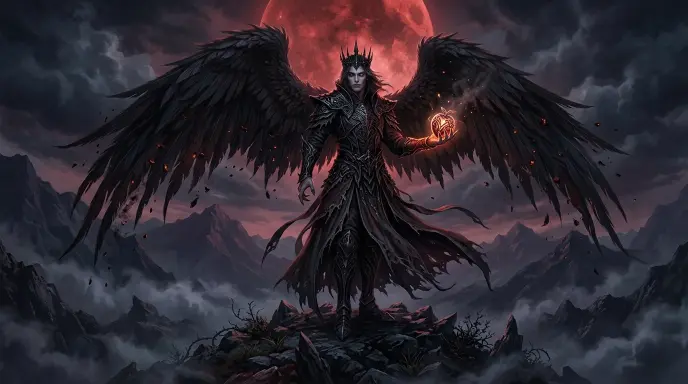
The word devil can describe an evil supernatural being, a demon, a wicked person, or even someone who causes trouble. It can also appear in religious writing, literature, casual conversation, idioms, and figurative expressions. Because its meaning changes with context, the best replacement is not always a direct synonym.
Choosing the right alternative depends on what you mean. For example, Satan is a specific religious figure, while demon is a broader supernatural term. Words such as fiend and villain can describe an evil person, while rascal or scamp may be playful rather than genuinely negative. This guide explains these differences so you can choose a word that fits your sentence, tone, and audience.
Quick Answer
Common synonyms and alternatives for devil include Satan, demon, fiend, evil spirit, tempter, adversary, deceiver, accuser, hellion, villain, monster, wicked person, scoundrel, rogue, rascal, scamp, imp, mischief-maker, and troublemaker. The best choice depends on whether you mean a religious figure, supernatural being, evil person, or troublesome individual.
Quick List of Synonyms for Devil
Closest and Religious Alternatives
- Satan
- Demon
- Fiend
- Evil spirit
- Tempter
- Adversary
- Deceiver
- Accuser
- Beelzebub
- Lucifer
Figurative Alternatives for an Evil Person
- Villain
- Monster
- Fiend
- Wicked person
- Evildoer
- Miscreant
- Scoundrel
- Sinner
- Tyrant
Casual or Playful Alternatives
- Rascal
- Scamp
- Imp
- Hellion
- Troublemaker
- Mischief-maker
- Rogue
- Little terror
Literary or Descriptive Alternatives
- Dark one
- Evil one
- Tempter
- Adversary
- Malevolent being
- Wicked spirit
- Infernal being
Formal Alternatives to Devil

Satan
Meaning: A specific figure associated with evil and opposition to God in Christian and other religious traditions.
Explanation: Satan is one of the closest replacements when devil refers specifically to the principal embodiment of evil in a religious context. However, it is not interchangeable with every use of devil because devil can also mean any demon or a troublesome person.
Example: The story portrays Satan as the ultimate tempter.
Best Use: Religious writing, theology, biblical discussion, and serious literary analysis.
Worst Use: Avoid using it when devil simply means a mischievous person.
Tone: Religious, serious, formal.
Demon
Meaning: A supernatural being traditionally associated with evil or harmful spiritual forces.
Explanation: Demon is broader than Satan. A demon may be one of many supernatural beings, whereas Satan generally refers to a particular figure.
Example: The novel describes a demon haunting the abandoned house.
Best Use: Religious, literary, fantasy, horror, and supernatural contexts.
Worst Use: It may be inaccurate if the text specifically refers to Satan.
Tone: Serious, supernatural, sometimes frightening.
Fiend
Meaning: A cruel, wicked, or extremely unpleasant person or supernatural being.
Explanation: Fiend can refer to an evil supernatural creature or, figuratively, a person who behaves terribly. It is often more literary than devil.
Example: The villain was portrayed as a merciless fiend.
Best Use: Fiction, dramatic writing, storytelling, and strong descriptions of cruelty.
Worst Use: It may sound exaggerated in ordinary professional communication.
Tone: Strong, dramatic, literary.
Evil Spirit
Meaning: A supernatural spirit believed to be harmful or morally evil.
Explanation: This phrase is useful when you want to emphasize the spiritual nature of the being rather than identify it specifically as the Devil.
Example: The legend claims that an evil spirit guards the ancient ruins.
Best Use: Religious writing, folklore, mythology, and supernatural fiction.
Worst Use: It may sound too supernatural for ordinary descriptions of a bad person.
Tone: Formal, descriptive, supernatural.
Tempter
Meaning: Someone or something that encourages another person to do something wrong.
Explanation: Tempter focuses on the act of tempting rather than simply being evil. It is therefore a narrower alternative.
Example: The character appears as a tempter who encourages the hero to abandon his principles.
Best Use: Religious writing, literature, and moral discussions.
Worst Use: It is not a general replacement for every occurrence of devil.
Tone: Formal, literary, moral.
Adversary
Meaning: An opponent or enemy.
Explanation: Adversary is sometimes used as an alternative for the Devil in religious contexts because the Devil is portrayed as an opponent of God or humanity. In general English, however, it does not mean devil.
Example: The passage describes the Devil as an adversary who challenges human faith.
Best Use: Religious, theological, academic, and literary writing.
Worst Use: Do not use it when you simply mean an evil supernatural creature.
Tone: Formal and serious.
Deceiver
Meaning: Someone who deliberately misleads or tricks others.
Explanation: This word highlights deception rather than evil itself. It can describe the Devil in religious or literary contexts.
Example: The poem presents the deceiver as a figure who hides the truth.
Best Use: Religious studies, literature, and moral discussions.
Worst Use: It is too broad when the supernatural identity matters.
Tone: Serious and descriptive.
Accuser
Meaning: A person who claims that someone has done something wrong.
Explanation: Accuser is a context-specific religious alternative associated with descriptions of Satan. It is not a general synonym for devil.
Example: The text presents the accuser as an opponent of the righteous.
Best Use: Religious and theological discussions.
Worst Use: Everyday writing, where accuser normally means someone making an allegation.
Tone: Formal and religious.
Beelzebub
Meaning: A name traditionally associated with a powerful demon or the Devil.
Explanation: Beelzebub is a specific religious and historical name, not a general synonym for every meaning of devil.
Example: The author refers to Beelzebub as a powerful figure of evil.
Best Use: Religious studies, mythology, historical texts, and literature.
Worst Use: Casual writing where readers may not recognize the reference.
Tone: Archaic, religious, literary.
Lucifer
Meaning: A name traditionally associated in later Christian interpretation with Satan before his fall.
Explanation: Lucifer is frequently used as an alternative for devil, especially in literature and religious discussion, but the two words are not perfectly interchangeable in every theological tradition.
Example: The poem presents Lucifer as a fallen figure who rebels against heaven.
Best Use: Literature, theology, poetry, mythology, and symbolic writing.
Worst Use: Avoid treating it as a universally identical term if theological precision matters.
Tone: Literary, religious, dramatic.
Evildoer
Meaning: A person who deliberately does morally wrong or harmful things.
Explanation: This is a useful formal alternative when devil is being used figuratively to describe a wicked person.
Example: The story portrays the ruler as an evildoer who abuses his power.
Best Use: Formal descriptions, journalism, essays, and serious fiction.
Worst Use: It does not describe a supernatural being precisely.
Tone: Formal and strongly negative.
Semi-Formal and Neutral Alternatives
Villain
Meaning: A character or person who behaves wickedly or opposes the hero.
Explanation: Villain is a strong figurative alternative when devil describes a bad person. It is especially common in fiction.
Example: The novel’s villain manipulates everyone around him.
Best Use: Fiction, storytelling, reviews, and figurative descriptions.
Worst Use: It may sound dramatic when describing a minor disagreement.
Tone: Negative, dramatic.
Monster
Meaning: A frightening or cruel person, creature, or supernatural being.
Explanation: Monster can replace devil when the focus is on cruelty or frightening behavior rather than religious identity.
Example: The film portrays the killer as a monster.
Best Use: Fiction, emotional descriptions, horror, and figurative speech.
Worst Use: Avoid it in neutral professional writing unless the context is clearly figurative.
Tone: Strong and emotional.
Miscreant
Meaning: A person who behaves badly or breaks rules.
Explanation: This relatively formal word works when devil refers to a wrongdoer rather than a supernatural being.
Example: The guards captured the miscreant before he could escape.
Best Use: Formal or literary writing.
Worst Use: It may sound old-fashioned in casual conversation.
Tone: Formal, slightly old-fashioned.
Scoundrel
Meaning: A dishonest or unpleasant person.
Explanation: Scoundrel is useful for describing a morally questionable person. It usually refers to human behavior rather than supernatural evil.
Example: Everyone knew the dishonest merchant was a scoundrel.
Best Use: Fiction, storytelling, and informal descriptions of dishonest people.
Worst Use: It may sound theatrical in modern professional writing.
Tone: Negative, informal to literary.
Sinner
Meaning: A person who commits a sin or violates religious or moral standards.
Explanation: Sinner can overlap with the idea of evil associated with the Devil, but it does not mean the same thing. A sinner is a person who sins; the Devil is traditionally an evil spiritual figure.
Example: The sermon warned sinners to reconsider their actions.
Best Use: Religious and moral discussions.
Worst Use: Do not use it as a direct replacement for devil when referring to Satan.
Tone: Religious and moral.
Tyrant
Meaning: A cruel or oppressive ruler.
Explanation: Tyrant is much narrower than devil. It works only when the figurative meaning involves cruel or abusive leadership.
Example: The people eventually rebelled against the tyrant.
Best Use: History, politics, fiction, and discussions of oppressive leadership.
Worst Use: It is inaccurate for an ordinary troublesome person.
Tone: Strong and formal.
Wicked Person
Meaning: Someone who behaves in a morally bad or harmful way.
Explanation: This phrase directly communicates moral wrongdoing without the supernatural meaning of devil.
Example: The legend tells of a wicked person who deceived the villagers.
Best Use: Clear explanations, children’s stories, and general writing.
Worst Use: It may sound simplistic in advanced academic writing.
Tone: Clear, direct, somewhat literary.
Malevolent Being
Meaning: A being that deliberately wishes harm to others.
Explanation: This is a formal descriptive phrase rather than a direct synonym. It is useful when writing about an evil supernatural creature without naming it as the Devil.
Example: The ancient tale describes a malevolent being living beneath the temple.
Best Use: Academic, literary, fantasy, and descriptive writing.
Worst Use: Everyday conversation, where it can sound unnecessarily complicated.
Tone: Formal and descriptive.
Informal and Casual Alternatives
Rascal
Meaning: A mischievous or slightly troublesome person.
Example: That little rascal hid my keys again.
When it sounds natural: Friendly or playful conversation.
When to avoid it: Serious discussions of cruelty or genuine wrongdoing.
Tone: Playful and affectionate.
Scamp
Meaning: A person, especially a child, who causes minor trouble in a playful way.
Example: The little scamp covered the room with toys.
When it sounds natural: Family conversations and lighthearted writing.
When to avoid it: Formal or serious contexts.
Tone: Playful and affectionate.
Imp
Meaning: A small mischievous creature or a mischievous person.
Example: The children behaved like little imps during the party.
When it sounds natural: Fiction, humor, and playful descriptions.
When to avoid it: Professional communication.
Tone: Playful, humorous, sometimes fantasy-like.
Hellion
Meaning: A very badly behaved or energetic person, often a child.
Example: The twins were little hellions during the long trip.
When it sounds natural: Informal conversation and humorous writing.
When to avoid it: Formal descriptions or situations where the person is genuinely dangerous.
Tone: Informal and humorous.
Troublemaker
Meaning: Someone who regularly causes problems.
Example: Everyone knew him as the class troublemaker.
When it sounds natural: School, everyday conversation, and casual descriptions.
When to avoid it: Religious or supernatural contexts.
Tone: Informal and direct.
Rogue
Meaning: A person who behaves independently or dishonestly, often with a slightly playful or adventurous sense.
Example: The novel’s charming rogue often bends the rules.
When it sounds natural: Fiction, storytelling, and playful descriptions.
When to avoid it: Serious accusations where precise wording is required.
Tone: Informal, literary, sometimes humorous.
True Synonyms vs. Contextual Alternatives
Not every word associated with devil can replace it directly. The difference is important because changing the word can change the meaning of the sentence.
| Type | What It Means | Can It Replace the Original? |
|---|---|---|
| True or very close synonym | Refers to essentially the same concept in a particular context | Sometimes |
| Near synonym | Has a closely related meaning but not exactly the same | Often, depending on context |
| Contextual alternative | Works only in a specific use of devil | Yes, in that context |
| Broader expression | Covers a wider category | Sometimes |
| Narrower expression | Refers to one specific type or figure | Only in specific contexts |
For example, Satan can replace devil when the intended meaning is the specific religious figure. Demon is related but broader. Villain works when devil is figurative. Rascal works only when devil is playful, as in “That little devil broke the vase again.”
Industry-Specific Usage

Business Writing
In business writing, devil is usually better replaced with a precise word that explains the actual behavior.
Instead of saying:
The supplier is a devil to work with.
A professional writer might say:
The supplier is difficult to work with.
Or:
The supplier has repeatedly caused delays.
Specific wording is usually clearer than dramatic language.
Corporate Communication
Corporate reports should generally avoid emotionally loaded alternatives such as monster, fiend, or scoundrel. Use precise descriptions such as wrongdoer, offender, unethical actor, or responsible party when appropriate.
Academic Writing
Academic writing requires precision. If you are discussing religion, mythology, or literature, terms such as Satan, demon, adversary, and tempter may be appropriate.
Do not replace devil with a different term simply for variety if the distinction affects the subject being studied.
Customer Service
Customer service communication should rarely use devil or dramatic alternatives. Instead of saying:
That customer is a devil.
Use:
That customer has been difficult to assist.
Or:
The customer has raised several concerns.
This keeps the wording professional and neutral.
Legal Writing
Legal writing should prioritize precise facts over figurative language. Terms such as offender, defendant, wrongdoer, or alleged offender may be appropriate depending on the situation, but these are not synonyms for devil.
Do not use religious or emotional terms such as devil, monster, or fiend when a precise legal description is required.
Email Communication
Professional emails usually benefit from neutral wording. If you want to replace a figurative expression such as “a devil to deal with,” use phrases such as difficult to manage, challenging, uncooperative, or problematic, depending on the actual situation.
Email Examples
Client Communication
Subject: Clarification Needed on the Project Requirements
Dear James,
We have reviewed the latest requirements and found a few areas that need clarification. Some of the requested changes may affect the current delivery schedule.
Could you please confirm which requirements should take priority?
Best regards,
Daniel
Internal Workplace Email
Subject: Follow-Up on the Delayed Shipment
Hi Sarah,
The shipment has been delayed again, so I recommend contacting the vendor today for an updated delivery date.
Rather than describing the vendor as a “troublemaker,” it is more useful to document the specific delays and their impact on the project.
Best,
Michael
Customer Service
Subject: Update on Your Support Request
Dear Mr. Carter,
Thank you for your patience. We understand that the delay has been frustrating.
Our support team has escalated the issue and will provide another update as soon as we receive additional information.
Kind regards,
Customer Support Team
Academic Communication
Subject: Question About the Literary Analysis
Dear Professor Adams,
I am writing to ask about the use of the term “fiend” in the assigned poem. Would it be appropriate to discuss it as a symbolic representation of evil rather than as a literal supernatural character?
Thank you for your guidance.
Sincerely,
Emily
Vendor Communication
Subject: Request for Updated Delivery Information
Dear Mr. Lee,
We have not yet received the latest shipment. Could you please provide the current delivery status and expected arrival date?
We would appreciate an update so that we can adjust our schedule accordingly.
Regards,
Thomas
Short Dialogue Examples
Workplace
Person A: The new software has been a devil to configure.
Person B: I know. The setup is more complicated than we expected.
Classroom
Person A: What does “fiend” mean in this story?
Person B: It describes someone extremely cruel or evil. Here, it has a dramatic literary tone.
Customer Service
Person A: This customer has been difficult all morning.
Person B: Stay calm and focus on the specific issue they need resolved.
Casual Conversation
Person A: Your little devil broke another glass!
Person B: I know. The cat has been getting into everything today.
Professional Discussion
Person A: Should we call the competitor an adversary in the report?
Person B: Only if the context is strategic or analytical. Otherwise, “competitor” is more precise.
How to Replace “Devil” in a Sentence
Example 1
Original: The story describes the devil as a powerful tempter.
Alternative: The story describes Satan as a powerful tempter.
Why it works: Satan is more specific if the text refers to the particular religious figure.
Example 2
Original: A devil appeared in the old legend.
Alternative: A demon appeared in the old legend.
Why it works: Demon emphasizes a supernatural being but does not necessarily identify it as the Devil.
Example 3
Original: He is a devil when he gets angry.
Alternative: He can be a real menace when he gets angry.
Why it works: Menace focuses on threatening behavior rather than supernatural evil.
Example 4
Original: That little devil keeps stealing my socks.
Alternative: That little rascal keeps stealing my socks.
Why it works: Rascal preserves the playful tone.
Example 5
Original: The villain was described as a devil.
Alternative: The villain was described as a fiend.
Why it works: Fiend preserves the strong negative and dramatic meaning.
Example 6
Original: The devil tempted the character to betray his friends.
Alternative: The tempter encouraged the character to betray his friends.
Why it works: Tempter emphasizes the act of encouraging wrongdoing rather than the identity of the supernatural figure.
Example 7
Original: He is a devil to work with.
Alternative: He is difficult to work with.
Why it works: The alternative is clearer and more appropriate for professional communication.
Example 8
Original: The children were little devils during the party.
Alternative: The children were little troublemakers during the party.
Why it works: Troublemakers communicates playful misbehavior without the religious association.
Comparison of Useful Alternatives
| Phrase | Tone | Meaning / Scope | Best Use | Example |
|---|---|---|---|---|
| Satan | Religious | Specific evil figure | Theology, religion | Satan is portrayed as a tempter. |
| Demon | Neutral to dramatic | Supernatural evil being | Fiction, religion | A demon appears in the story. |
| Fiend | Dramatic | Cruel person or being | Literature | The fiend attacked the village. |
| Evil spirit | Formal | Harmful supernatural spirit | Folklore | An evil spirit haunts the house. |
| Tempter | Literary | One who encourages wrongdoing | Religious writing | The tempter tests his faith. |
| Adversary | Formal | Opponent or enemy | Theology, analysis | The adversary challenges him. |
| Villain | Dramatic | Evil character or person | Fiction | The villain plans his revenge. |
| Evildoer | Formal | Person who does wrong | Serious writing | The evildoer was punished. |
| Scoundrel | Informal | Dishonest or unpleasant person | Fiction, conversation | That scoundrel cheated us. |
| Rascal | Playful | Mischievous person | Casual speech | You little rascal! |
| Imp | Playful | Mischievous person or creature | Fiction, humor | The child is a little imp. |
| Troublemaker | Casual | Person who causes problems | Everyday speech | He is a known troublemaker. |
Which Alternative Should You Choose?
For Formal Writing
Choose evildoer, malevolent being, adversary, tempter, or demon, depending on the intended meaning.
For Business Communication
Avoid dramatic synonyms. Use precise expressions such as difficult person, uncooperative individual, problematic situation, or a specific description of the behavior.
For Academic Writing
Use Satan, demon, adversary, tempter, or another precise term that matches the source being discussed.
For Legal Writing
Use legally accurate terms such as offender, defendant, alleged offender, or wrongdoer when appropriate. Do not use devil simply as an emotional substitute.
For Professional Emails
Prefer neutral expressions such as difficult, challenging, uncooperative, problematic, or concerning.
For Everyday Conversation
Depending on tone, you can use rascal, scamp, troublemaker, hellion, or rogue.
For Fiction and Creative Writing
Words such as fiend, demon, villain, monster, tempter, and malevolent being can add stronger imagery.
Grammar and Usage Guide
Devil as a Noun
Devil is normally a noun.
Example: The story describes the devil as an evil figure.
The plural is devils.
Example: The legends describe several devils.
Capitalization
Capitalization depends on meaning and style. Devil may be capitalized when referring to a specific religious figure, particularly in contexts where it is treated as a proper name.
Example: The text describes the Devil as the adversary of God.
When referring to a generic demon or a figurative person, lowercase devil is generally appropriate.
Example: The child was a little devil.
Possessive Form
The singular possessive is devil’s.
Example: The devil’s influence is central to the story.
The plural possessive is devils’.
Example: The devils’ actions frightened the villagers.
Common Expressions
English contains many fixed expressions involving devil, including:
- devil’s advocate — someone who argues against an idea to test it
- speak of the devil — said when someone appears just after being mentioned
- better the devil you know — a familiar difficult situation may seem preferable to an unfamiliar one
- between the devil and the deep blue sea — caught between two difficult choices
- the devil is in the details — small details can cause major problems
These expressions should not normally be replaced word-for-word with a synonym because their meanings are idiomatic.
Common Mistakes to Avoid
Treating Satan and Devil as Identical in Every Context
Satan usually identifies a particular religious figure, while devil can have broader meanings.
Using Demon for Every Meaning
A demon is a type of supernatural being or concept. It is not automatically the exact same figure as the Devil.
Using Fiend in Professional Writing
Fiend can sound dramatic or literary. A neutral description is usually better in workplace communication.
Calling a Difficult Person a Villain
Villain suggests serious wrongdoing or opposition. It may exaggerate an ordinary disagreement.
Using Rascal for Serious Evil
Rascal is often playful. It can make serious wrongdoing sound humorous.
Using Religious Terms in Neutral Reports
Terms such as Satan, Devil, and Beelzebub can introduce religious meaning that a neutral report does not require.
Using Informal Words in Academic Writing
Words such as hellion and little devil are usually too casual for academic work.
Replacing Words Only for Variety
Do not replace devil with another word merely to avoid repetition. If the original word is the most accurate choice, keep it.
When Not to Use the Original Word
When You Need Precise Professional Language
Instead of calling someone a devil, explain the actual behavior.
Less precise: He is a devil to work with.
Better: He frequently misses deadlines and ignores project requirements.
When the Context Is Academic
Academic writing usually benefits from specific terminology. Identify whether the subject is Satan, a demon, a symbolic evil figure, or something else.
When the Meaning Is Playful
If you are affectionately describing a mischievous child or pet, rascal, scamp, or little troublemaker may better communicate your intended tone.
When the Word Sounds Too Dramatic
In workplace and customer-service communication, dramatic language can sound emotional or unprofessional.
When You Mean a Specific Religious Figure
Use Satan when that is the intended reference and the context supports the distinction.
When You Mean a General Supernatural Creature
Demon or evil spirit may be more precise than devil.
When You Mean a Bad Human Being
Words such as evildoer, villain, scoundrel, or wrongdoer may better identify the figurative meaning.
When the Original Is Actually Better
Keep devil when the religious meaning is important, when it is part of an established expression, or when its familiar figurative tone adds exactly the effect you want.
Advanced Writer Tips
Tone Control
Choose your alternative based on emotional strength. Demon sounds supernatural, fiend sounds dramatic, villain sounds literary, and rascal sounds playful.
Professional Email Etiquette
Avoid calling someone a devil, monster, or fiend in a professional email. Describe the behavior instead.
Instead of:
The vendor is a devil to deal with.
Write:
We have experienced repeated delays from the vendor.
The second version is more useful because it communicates a specific problem.
Politeness
Word choice can change how strongly a sentence sounds. Troublemaker is direct, while difficult can be softer. Uncooperative is more specific but can still sound critical.
Context Alignment
Always ask what devil means in the sentence. Does it refer to a religious figure, a supernatural creature, an evil person, or a mischievous individual? The answer determines the best alternative.
Precision
Do not use villain when you mean demon, or demon when you mean Satan. Related words can still carry important differences.
Readability
Simple alternatives are often better than complicated ones. If difficult person communicates the meaning clearly, there is no need to use a highly literary word such as fiend.
Related Questions About Devil Synonyms
What is another way to say devil?
Depending on the context, you can say Satan, demon, fiend, evil spirit, tempter, villain, evildoer, or troublemaker. The correct choice depends on whether devil refers to a religious figure, supernatural being, evil person, or mischievous individual.
What is a professional alternative to devil?
Professional writing usually needs a specific, neutral description rather than a dramatic synonym. Depending on the meaning, alternatives include difficult person, uncooperative individual, wrongdoer, offender, or problematic individual.
What is a formal synonym for devil?
Formal or literary alternatives include Satan, demon, fiend, evil spirit, tempter, adversary, evildoer, and malevolent being. These words are not all interchangeable, so the context should determine the choice.
Can demon be used instead of devil?
Sometimes. Demon generally refers to a supernatural being associated with evil, while devil can refer specifically to the Devil or more generally to a troublesome person. They overlap in some religious and fictional contexts but are not always exact synonyms.
Is devil a formal word?
Devil is a standard English word and can appear in formal writing, especially in religious, historical, literary, or academic contexts. However, figurative expressions such as “a little devil” are usually informal.
Is Lucifer another word for devil?
Lucifer is often used as a name for Satan or the Devil, especially in Christian literature and popular culture. However, the relationship between the terms varies across religious interpretations, so they should not automatically be treated as identical in every theological context.
What is a playful word for devil?
For a playful person or child, rascal, scamp, imp, hellion, or little troublemaker can work. These expressions usually suggest mischief rather than serious evil.
FAQs
What is the closest synonym for devil?
The closest synonym depends on the meaning. Satan is closest when referring to the specific religious figure, while demon may be appropriate for a broader supernatural meaning. Fiend can work for a strongly negative literary or figurative sense.
What is a strong word for devil?
Fiend, demon, Satan, and malevolent being can convey strong negative or supernatural meanings. Fiend is especially effective in dramatic or literary writing.
What is a nice way to call someone a devil?
For a playful meaning, try rascal, scamp, imp, or little troublemaker. These words can describe someone mischievous without suggesting that the person is genuinely evil.
Is fiend a synonym for devil?
Fiend can function as a near synonym when devil refers to an evil or cruel being. It can also describe a very cruel person. However, it does not specifically identify the religious figure known as the Devil.
What is the opposite of a devil?
Depending on the context, possible opposites include angel, saint, good person, righteous person, or benevolent being. There is no single opposite that works in every context.
Can villain replace devil?
Yes, when devil is being used figuratively to describe an evil person or fictional antagonist. It should not replace devil when the word refers specifically to a religious or supernatural figure.
What is a casual synonym for devil?
Casual alternatives include rascal, scamp, imp, hellion, and troublemaker. These are especially useful when devil refers playfully to a mischievous person or child.
Key Takeaways
- Satan is the most specific choice when devil refers to the principal religious figure associated with evil.
- Demon is broader and usually refers to an evil or harmful supernatural being.
- Fiend, villain, and evildoer work better when describing evil or cruel people figuratively.
- Rascal, scamp, imp, and troublemaker are better for playful or casual uses.
- Always choose the alternative according to meaning, audience, tone, and context, rather than simply replacing the word mechanically.
Conclusion
The best synonym for devil depends on what you actually mean. If you are discussing a specific religious figure, Satan may be the most precise choice. For a general supernatural being, demon or evil spirit may work better. In fiction or dramatic descriptions, fiend, villain, or monster can create a stronger effect. For a playful description of a mischievous person, rascal, scamp, or imp may be much more natural.
The key is not to treat every related word as an exact replacement. Some alternatives change the religious meaning, while others change the tone from serious to playful. Professional and academic writing usually benefits from precise, neutral wording, while creative writing gives you more freedom to use dramatic expressions. By considering the audience, purpose, and intended meaning first, you can choose an alternative that sounds natural and communicates exactly what you want.